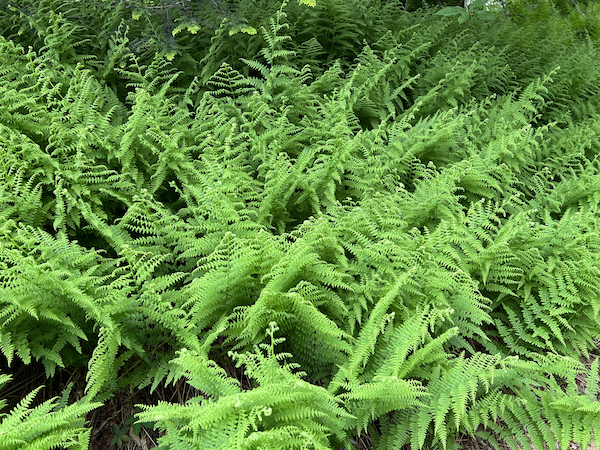
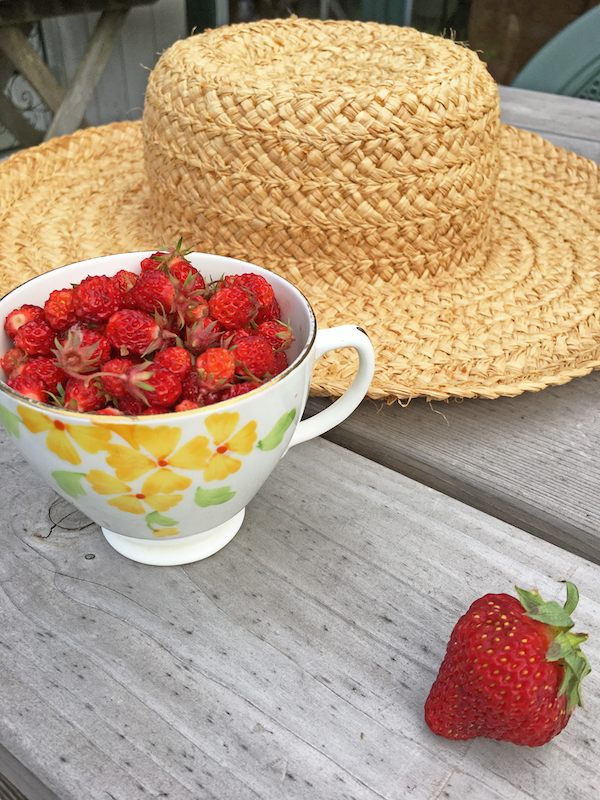
June is full of strawberries, birthdays, and the color green. Hiding amongst the long grass on our hill is a patch of wild strawberries. It’s a race to gather them before the chipmunks and birds realize they’re ripe, making each morsel we find that much more delicious. It is also a time of birthdays for many friends and family. Plenty of cakes, along with multiple renditions of the happy birthday song. There is also the glorious abundance of green. Green on the path of my daily walks. Green in the garden. And of course green on our plates, including spanakopita.


Right after college I decided to travel. With no job, a small nest egg, and the robust exchange rate of the early 1980s, I left the US for Europe. The plan was to first meet up with a dear friend in Greece who was winding up her junior year abroad, then connect with my Aunt Connie who planned to spend much of that summer in Athens with friends. Afterwords I would go where ever the winds and my Eurorail Pass took me.
Despite my brand new college degree I apparently lacked what Grammy Caldwell would call, “a pinch of common sense.” I didn’t occur to me that the time zone difference between US and Europe, coupled with the late hour of my departure, meant I’d show up a day later. It must have been printed right on my ticket, but that small detail escaped me. A “whoops” moment like that today could easily be addressed via text with a few embarrassed face emojis. Not so in 1983. Instead my friend left detailed directions at the American Express office of how to find her.
Take a ferry to Crete
then a bus to the southern coastal town X
get on a fishing boat going to X town
from the dock hike over a goat trail on a mountain heading west
till you reach the Taverna where I’ll be waiting
I really wish I still had her note. Despite my embarrassing start, I managed to connect with my friend. A few weeks later I returned to Athens and met up with my Aunt.

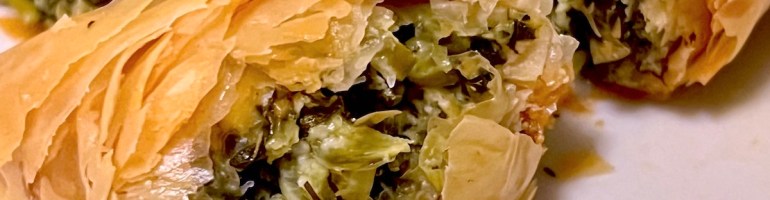
My Aunt Connie was a seasoned traveler, unlike my 22-year-old self. She speaks Greek, has an easy going temperament which, combined with her sense of adventure, all of which make her the exact sort of person you want to spend time with in new places. An added bonus (in the eyes of my younger self) was that she stayed in an actual hotel rather than a youth hostel. She also was not trying to travel according to Arthur Frommer’s book Europe on $10 a day. For her, a summer in Europe meant folk dancing, relaxing, hanging out with friends new and old, and no cooking! Connie graciously shared her hotel room, lent me some of her clothes, taught my how to do laundry by hand while traveling, and invited me to dine out with her friends. It was in Athens that summer that I first tried spanakopita, and fell in love with the spinach-feta-dill deliciousness of it.


It’s funny what foods sink into your culinary repertoire. Sometimes it’s a food from your childhood. Other-times it is a recipe from our favorite people, events we celebrated, cooks we admire, and places we’ve visited. Access to different foods and cuisines is a gift because what we cook is so much more than what ends up on our plates. Recipes are a blend of nutrition, emotion, finances, location, access, spirit, texture, taste, politics, and so much more.
Many other food writers have tackled these nuances so I won’t try to address them here. At the end of this post I’ll list some of the writers (incomplete because there are always ones I’ve forgotten) who have influenced how I’ve come to think about food. I’d love to hear in the comments about people or books/articles which have provided a new perspective on food for you.
My phyllo dough layering tutorial came from a caterer I worked for early in my career. Since spanakopita was often served as an hors d’oeuvre we made teeny little triangles people could pop in their mouths. Yes, it was labor intensive to fill and fold hundreds of little triangles, but it was a guaranteed hit. Plus once packaged (but not baked), the spanakopita triangles freeze beautifully. If you make the triangles or squares or logs bigger they are a great backup meal to have which goes from freezer to plate quickly.* What for my younger self was a gastronomic revelation became a regular part of the dinner rotation at our house.
Sometimes I make tiny two-bite triangles, most times I go for the bigger “meal-sized” version. I’ve also played around with different fillings from nettles to kale – the former was a hit, the later not so much. When my husband gave up dairy I experimented and came up with a dairy free version. The only iteration I have not attempted is gluten free, though Kat at the Loopy Whisk came up with a version you might want to explore if you avoid gluten. While the filling of spanakopitas may vary, the basics of layering phyllo dough with fat (clarified butter or olive oil), then stuffing them remains the same. Those layers are what guarantee the spanakopita shatter with each bite. So messy, and so good, and ohhh so satisfying!
Basics on phyllo
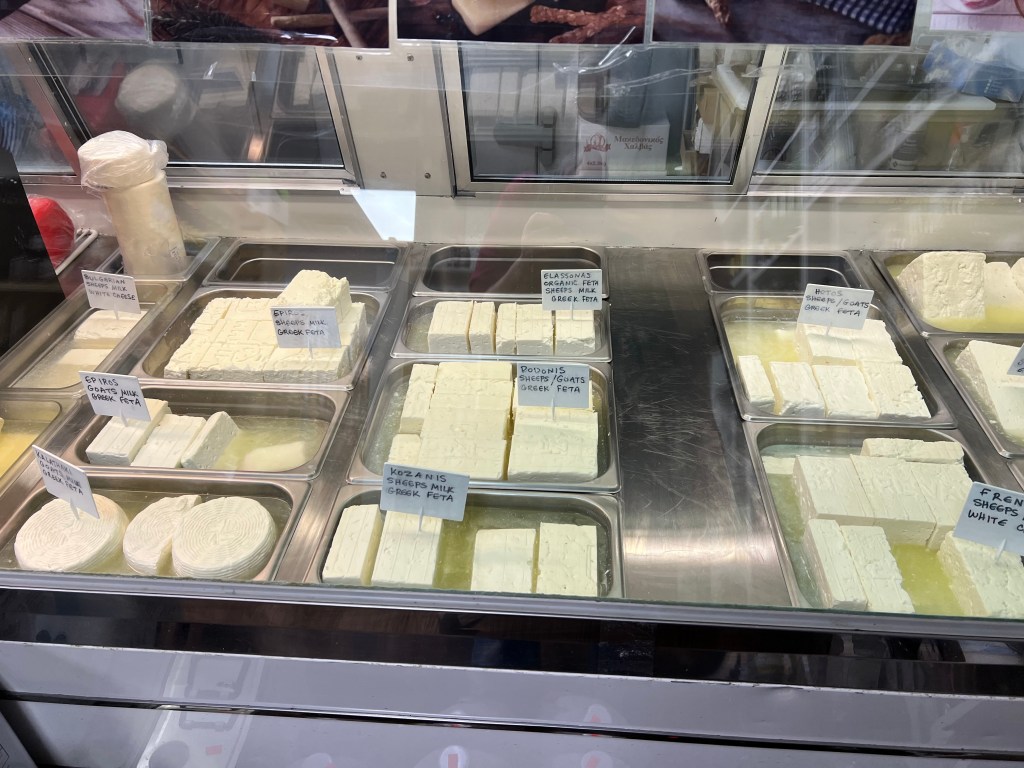
Phyllo dough is paper-thin and tears easily, which is why some people are afraid of working with it. Instead of worrying about the challenges of phyllo think about all the foods which can be made with it. Sweet like baklava and easy fruit strudels or savory dishes including spanakopita, burek, and basteeya. I’ve only bought it frozen, never fresh, and the stores I shop at have just 2 varieties – Athens or The Phyllo Factory. Both are close to one another in thickness of each leaf or sheet. On a trip to Boston my sister took me to a store which not only had many more brands of frozen phyllo, but also a variety of thicknesses. I tried a few, but am very happy with what I can source locally. The one thing I wish I did have regular access to was their deli feta counter – it was a dream! So while there are lots of phyllo options available, use what you can find in the freezer section of your grocery store.
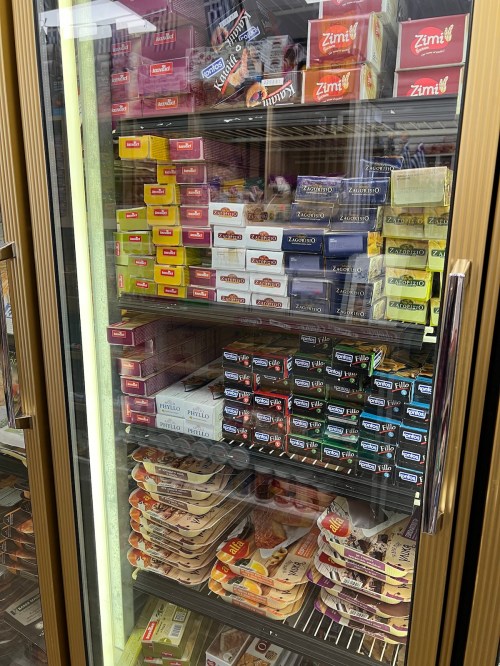
The best way to defrost phyllo is in the fridge overnight. My experience is you either get a good box or a so-so box of phyllo. You won’t know which it will be beforehand so buy extra and cross your fingers. Nearly every cookbook I’ve read with a phyllo recipe calls for covering it with a slightly damp cloth when you are ready to work with it. I don’t do that. If you work quickly enough you can just lay out the stack of phyllo on your work station then layer, fill and fold before it dries out. No biggie if your dough is ripped when you unwrap it. Just flip each sheet so the ripped sections don’t line up with each other. Or use the torn bits pieced together as inner layers of your stack. Another option is to put your filling into a small pan or ramekin and layer the broken/torn bits on top with butter or oil as a “crust”. Or just have a second box defrosted and hope it is better than the first. On a rare occasion the edge or a corner has freezer burn or dampness which causes the sheets to clump together. You cannot fix this, so slice that section off and move on.

Layering is simple. A sheet of phyllo brushed with clarified butter or olive oil, followed by more sheets. Sometimes I drizzle on the fat then brush it out, other times I dip my brush into the fat and “paint” it on each sheet. I use a pastry brush, which is a great tool as long as A) it is well made and the bristles don’t fall out and get between the layers and B) it doesn’t smell like bbq sauce. My normal stack of dough is 3-4 sheets thick, which will make 2 large triangles or 5 smaller ones. Note you do not need to cover every inch of dough with fat. There needs to be enough to create the crunch, but not so much that the spanakopita is swimming in butter or oil. I always give the finished triangle a coating of fat as well so it does not dry out.
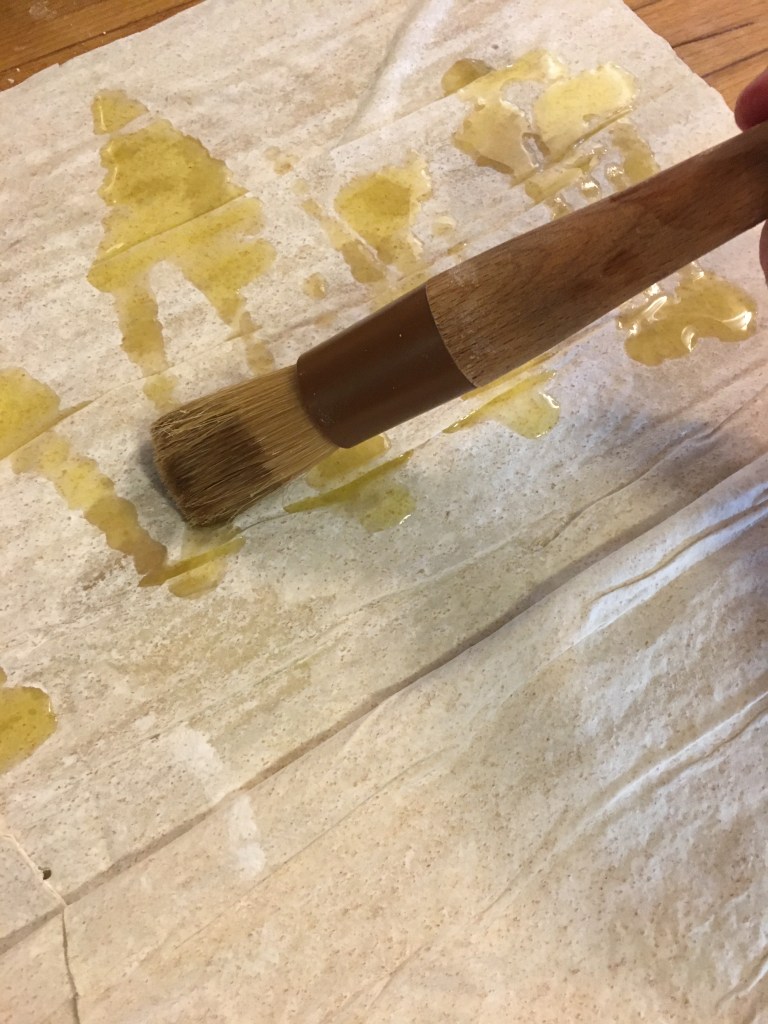
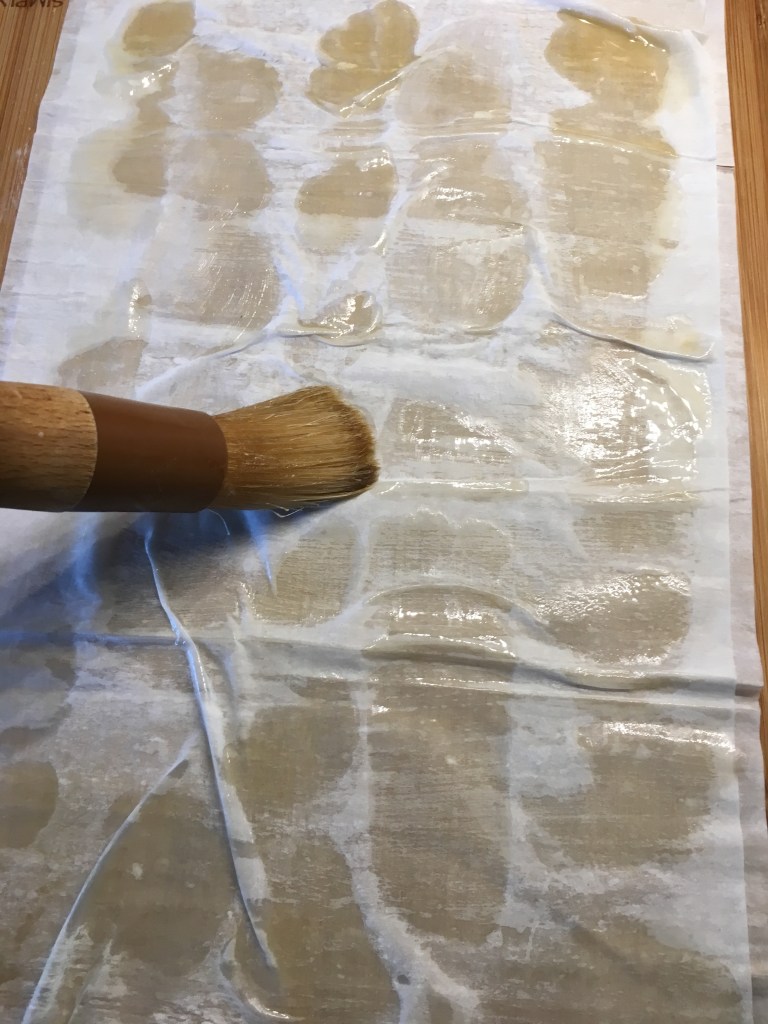
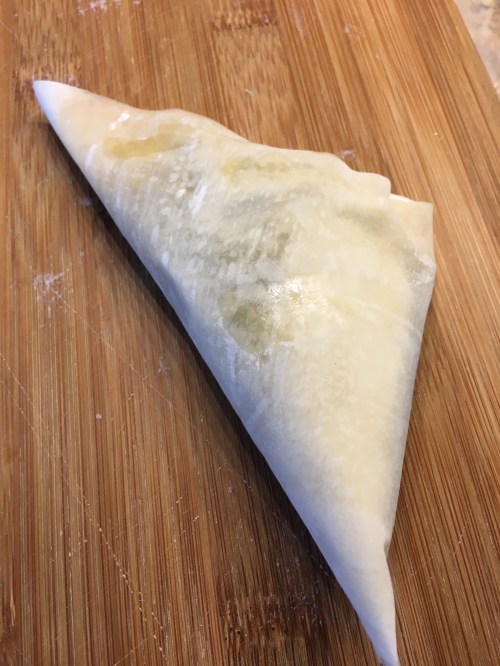
In 40+ years of making spanakopita I have only had the amount of filling and the phyllo match up perfectly ONCE. Yes, I did a happy dance that day, but honestly it is not worth worrying about if your filling and phyllo fail to align. Instead pivot. Use leftover filling for an omelette or as a yummy topping on some toast or a burger. Excess phyllo will make a delicious turnover by slicing and sautéing an apple with some cinnamon and sugar and once cool, adding it as the filling, then wrap up and bake as usual. Use the same phyllo sheet building system as for spanakopita, with butter being the preferred choice of fat for a sweet treat (IMHO).
Spanakopita – traditional
3 sticks unsalted butter, clarified
2 packages phyllo dough defrosted overnight
2 pounds frozen spinach, defrosted and squeezed dry
3/4-1 cup chopped fresh dill
1 heaping cup chopped scallions
8-18 ounces feta cheese, drained and crumbled
3-4 eggs
lemon zest or a squeeze of fresh lemon juice (optional)
salt & pepper to taste
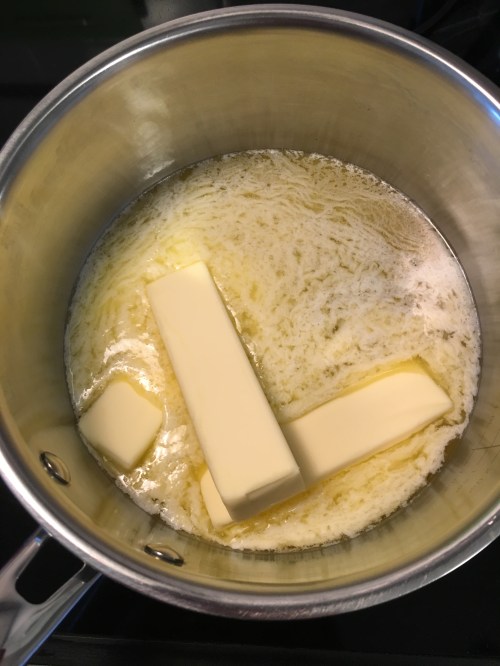
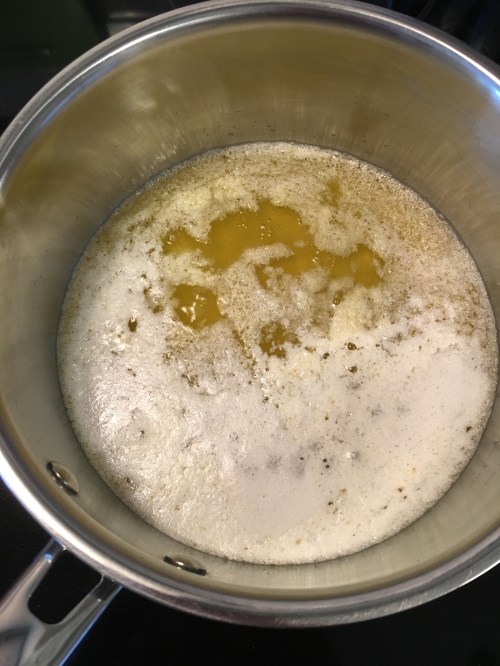
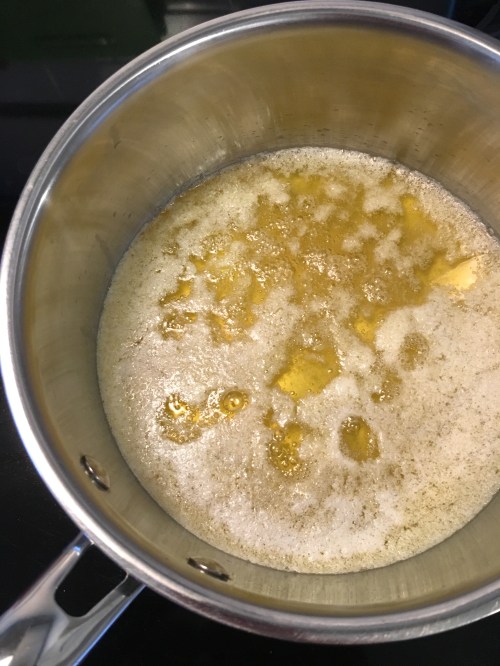
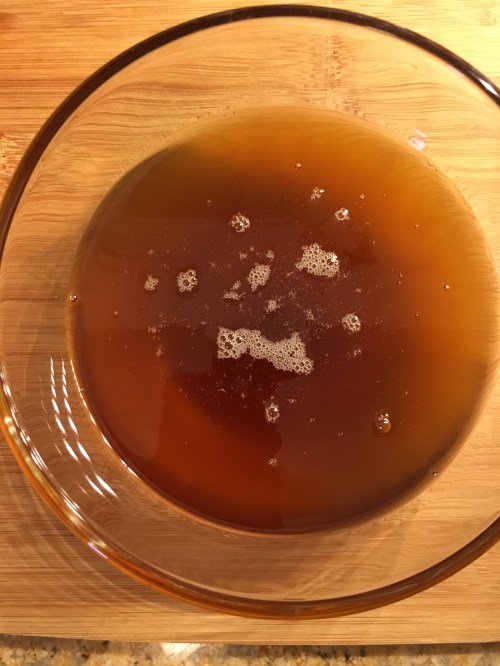
To clarify butter put the unwrapped sticks in a saucepan over low (medium low if you’re in a hurry, but keep an eye on things). As the butter melts the milk solids cook and fall to the bottom of the pot. You can be done when the butter is a golden yellow or when it has turned to a light brown color. Strain, cool and use. Clarified butter is very similar to ghee.
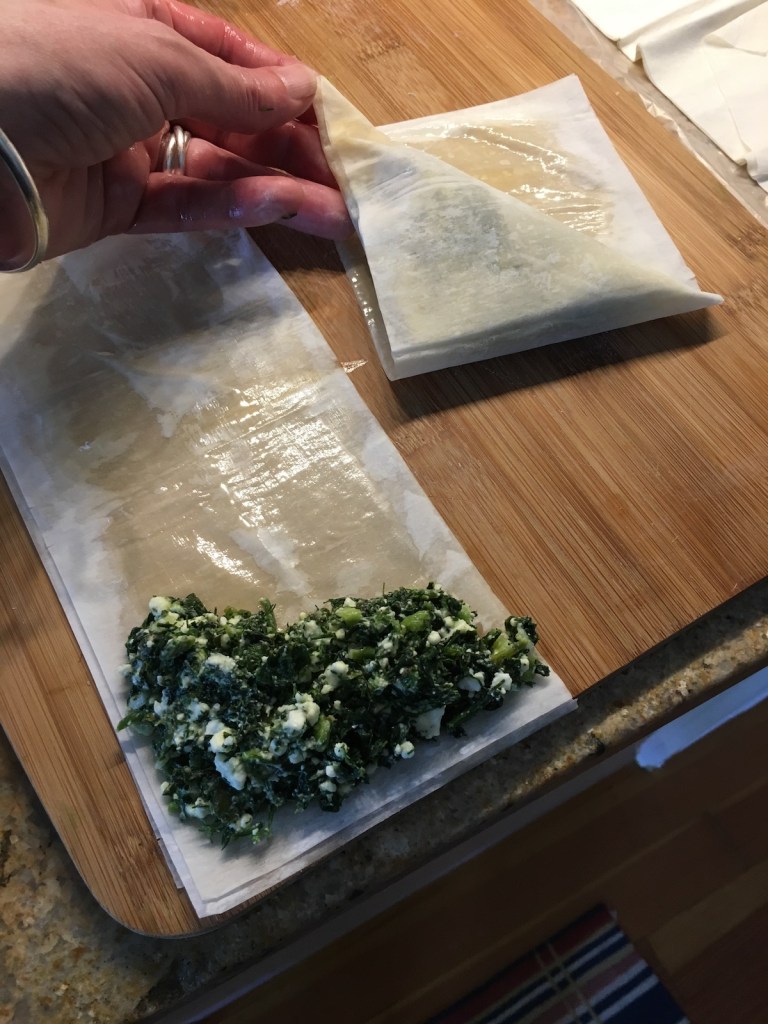
Mix all ingredients together in a large bowl except the clarified butter and phyllo dough. Stage the bowl of filling with the clarified butter and unwrapped phyllo. Layer 3-4 sheets of phyllo with dabs, brushes and/or drizzles of butter as described above. Cut in half lengthwise for dinner size portions or in 5 thin ribbons for appetizer morsels.
Add a heaping spoonful of filling at the bottom of the phyllo rectangle and fold like a flag for triangles. For the appetizer size you’ll want a heaping teaspoonful. For the dinner size add lots more filling, about 2-3 large soup spoon worth. Seal by brushing butter on outside so the phyllo triangles will brown and be crispy but not dry. At this point you may bake the spanakopita or freeze for a later date.
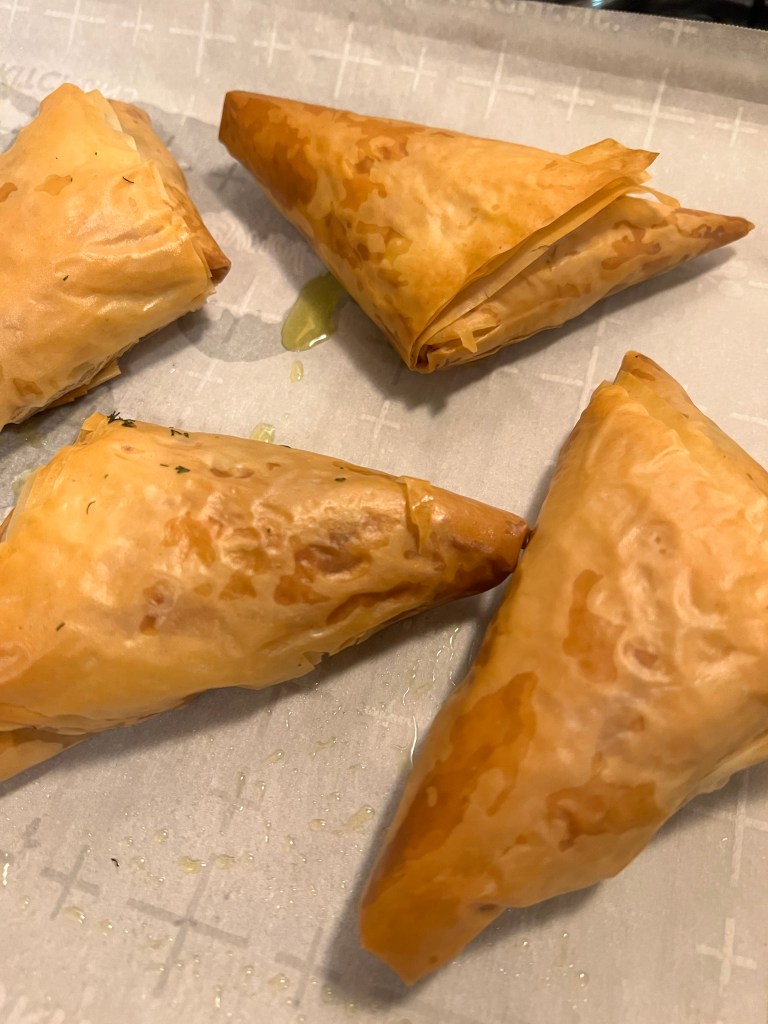
To bake preheat oven to 375ºF. Line a jelly roll pan with parchment paper and bake for 35-45 minutes or until golden and crispy. Serve hot or room temperature. Best eaten the day it is made. If cooking from frozen it may take 45-60 minutes to bake. Do not defrost first.




Vegan Spanakopita
olive oil
2 boxes of phyllo dough, thawed
2 pounds of frozen spinach, defrosted and squeezed dry
3/4-1 cup chopped fresh dill
1 cup chopped scallions
1/2 cup chopped parsley (optional)
1 pound of tofu, drained, blotted dry and crumbled
1-2 teaspoons oregano (optional)
fresh zest from 1 lemon (optional)
salt & pepper to taste *this version needs more salt because it does not have extra salt from the feta
Mix all ingredients together in a large bowl except the olive oil and phyllo dough. Stage the bowl of filling with a small bowl of olive oil and the unwrapped phyllo. Layer 3-4 sheets of phyllo with dabs, brushes and/or drizzles of olive oil as described above. Cut in half lengthwise for dinner size portions or in 5 thin ribbons for appetizer morsels.
Add a heaping spoonful of filling at the bottom of the phyllo rectangle and fold like a flag for triangles. For a roll shape (this shape only really works when you’re making 2 pieces, not the tiny bite-size ones) add filling into a log shape with 3/4″ space on either side, roll once to capture the filling, then tuck in edges and continue rolling. Seal with a brushing of oil on outside. At this point you may bake the spanakopita or freeze for a later date.
To bake preheat oven to 375ºF. Line a jelly roll pan with parchment paper and bake for 35-45 minutes or until golden and crispy. Serve hot or room temperature. Best eaten the day it is made. If cooking from frozen it may take 45-60 minutes to bake. Do not defrost first.

Stinging Nettle & Herb Spanakopita
olive oil & clarified butter (or just use one or the other)
2 boxes of phyllo dough defrosted
8-16 ounces wild nettles
1 medium onion, chopped
10-16 ounces feta, drained and crumbled
3/4-1 cup chopped mixed fresh herbs (dill, chives, parsley)
2 eggs
salt & pepper to taste
1/2-1 teaspoon chili flakes
zest of 1 lemon
Bring a large-ish pot of water to a boil. Carefully plunge the stinging nettles into the boiling water for a few minutes until wilted. Drain, then squeeze dry in a dish towel. Chop.
While the water is coming to a boil sauté the chopped onions in a bit of oil. Set aside to cool.
Mix the nettles, onion, feta, herbs, eggs and seasonings together in a large bowl. Set up fats, phyllo and assemble as for other spanakopita. When finished assembling either freeze or bake. If baking right away place on a parchment-lined jelly roll pan in a preheated 375ºF oven for 35-45 minutes or until golden and crispy. Serve hot or room temperature. Best eaten the day it is made. If cooking from frozen it may take 45-60 minutes to bake. Do not defrost first.
For more about harvesting and cooking with stinging nettles visit this page.


My Aunt Connie has had a life-long love of country folk dancing. When she wasn’t working as a school gym teacher–where she often included folk dancing from various countries as part of her curriculum–she’d be off at a dance camp learning new dances or traveling to various places to study dances in the place where the dances had originated. One country she returned to again and again was Greece.
The dance parties she held at her home were known for their inclusivity of those of folks who were dancers (like several of her great granddaughters) as well as those people with two left feet. Her patience was endless, and she would happily repeat the steps to a dance, even if you had “learned” it at the last party, but forgotten it. These days she isn’t doing much dancing, but her spirit is still one of discovering new things and enjoying being with people.
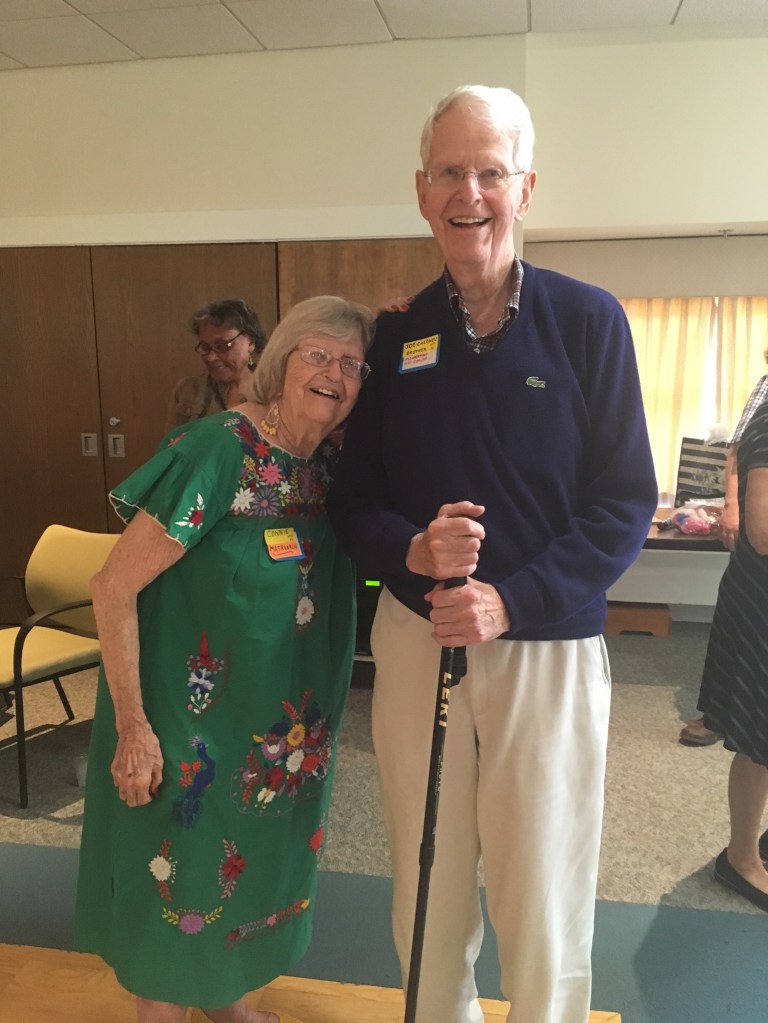
Below is a picture of Aunt Connie with her younger brother Joe (my dad) at her 90th birthday party several years ago. Naturally dancing and spanakopita were part of the festivities.
* Quick for me is freezer to oven to plate in under an hour. I don’t own a microwave, but even if I did spanakopita should never be cooked in one unless you want a soggy mess.

Writers on the different aspects of food (in no particular order):
Alicia Kennedy ‘Food is Political’
Francis Lam
Fabio Parasecoli food as identity
J. Kenji López-Alt
Marion Nestle finances of food
M.F.K. Fisher on eating well – all her books
Alan Davidson
Julia Turshen
J. Kenji López-Alt
Elissa Altman

 50years50recipes
Hello Cynthia! I enjoyed your article, especially the note to get to Crete….the goat trail…did you find it? Obviously you did!
I was at Costco this past Friday. I found spanakopita and bought it!
…Now here’s your recipe.
Hope all is well. Hugs and love, hi to Shawn and the kids
Hope the spanakopita from Costco was yummy. I’ve been meaning to write this recipe(s) for quite awhile. Glad that it landed just as you were thinking about spinach pies…
The nettle Spanakopita are so good!
If you are brave enough to harvest them!
Dear Cynthia,
What a lovely text, so well illustrated (those photos of you after Smith! With long hair. So cool.). It’s a pleasure to hear from you and I hope you’re having a pleasant summer. It’s hot as hell here. Luckily the lake isn’t far away – even if it’s a bit warm too. Nothing like the Dordogne…
Keep writing! You do it very well and it’s such a pleasure to read you.
Bisou bisou Sylvie
Le lac de Zurich en été 🐠
>